
Want to Be a Great Trader? Start by Avoiding These 12 Costly Mistakes
Let me be straight with you: you will make mistakes while learning. Every trader does. The only difference between those who eventually make money and those who blow up their accounts is simple—one group learns from their screw-ups, and the other just keeps repeating them.
Below, I’ve laid out the 12 most common traps I’ve seen traders fall into over the years. Along with each one, I’ve added a practical way to fix it. Read through them. Be honest with yourself about which ones you’re guilty of. Then get to work.
1. Overtrading and taking too many trades at once
What happens: You’re in three, four, sometimes five trades at the same time. You feel like you have to “do something” every hour. The truth? About 90% of traders who lose money long-term are overtrading.
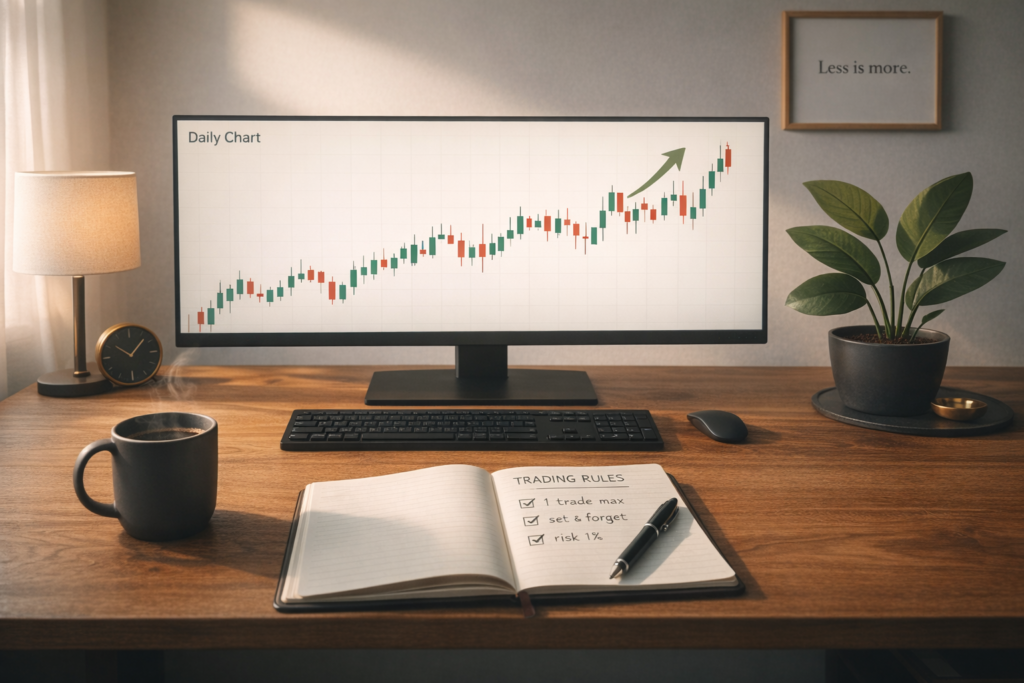
The fix that actually works: Change your mindset. Remind yourself daily: less really is more. If you’re in more than one trade at a time, that’s usually a red flag. Start looking for reasons not to trade instead of scraping the bottom of the barrel for an entry. You’ll make more money by trading less — it sounds backwards, but it’s gold.
2. Living on your charts – thinking about trading 24/7
What happens: You wake up thinking about pips. You check your phone at dinner. You refresh charts even when there’s no clear signal. Eventually you take a bad trade just because you’re bored.
The fix that actually works: Schedule time away from the screens. Put it in your trading plan: “Tuesday and Thursday afternoons, no charts.” If it’s part of your plan, it’s easier to follow. Discipline isn’t sexy, but it keeps your account alive.
3. Making decisions from low timeframes (5-min or 1-min charts)
What happens: You get glued to tiny candles, chasing every wiggle. Day trading sounds exciting until you realize it turns most people into anxious gamblers.
The fix that actually works: Zoom out. The daily chart holds real weight — each bar represents a full day of data, not a few seconds of noise. Trading higher timeframes requires patience, but the reward is cleaner signals, less stress, and a lifestyle that doesn’t chain you to your desk.
4. Going live with real money before you ever touch a demo
What happens: You open a live account, deposit your savings, and start clicking. Then you realize you don’t know how to set a stop loss properly. Or you risk way more than you intended. It’s painful to watch.
The fix that actually works: Treat demo trading like flight simulator for pilots. Spend at least a few weeks testing your strategy in real market conditions — with zero emotional risk. Work out the bugs. Get familiar with the platform. Then, and only then, think about going live.
5. Getting lost in the news and economic distractions
What happens: You read five different opinions on what the Fed will do. You convince yourself you “know” what’s coming next. Then the market whipsaws hard and stops you out.
The fix that actually works: Focus on raw price action. By the time news hits your screen, the big players have already acted on it. The chart shows the real footprint. Learn to read price action, and you’ll effectively be trading the news without ever reading a headline.
6. Not understanding that every trade is random (in isolation)
What happens: You take two losses in a row and panic. You change your system. You double down on the third trade — and lose again.
The fix that actually works: Accept that any single trade means almost nothing. Even a 60% win-rate strategy can have 10 losses in a row. That’s normal probability. The only thing that matters is a large sample size of trades. Manage your risk so you can survive the rough patches and let your edge play out over months, not hours.
7. Feeling desperate or rushed to make money
What happens: You quit your job, tell everyone you’re a full-time trader, and suddenly every pip matters way too much. Desperation seeps into every decision.
The fix that actually works: Never put all your eggs in the trading basket. Keep a side income, a part-time job, or long-term investments. When you take the financial pressure off, something weird happens — you start trading better. Calm, collected, almost indifferent. That’s when the real consistency shows up.
8. Waffling on your decisions and second-guessing every move
What happens: You enter a trade, then 20 minutes later you see a small pullback and you panic-close. Then price goes exactly where you thought it would — without you.
The fix that actually works: Once you’re in a trade, stick with it unless there’s a major shift in price action on the same timeframe you entered. Trades will go negative sometimes. That’s normal. Let the process breathe. Get out of your own way.
9. Obsessing over money and rewards instead of the process
What happens: You constantly calculate how much you “could have made.” You move your stop to let a winner run, then watch it reverse and hit your original stop anyway.
The fix that actually works: Profits are a symptom of doing things right. Focus on entries, risk management, position sizing, and following your rules. The money follows the process, not the other way around.
10. Meddling with your trades after they’re live
What happens: You move your stop loss, take partial profits too early, or add to a losing position. Basically you keep “improving” the trade until it’s a mess.
The fix that actually works: Adopt a set-and-forget mentality. Place your trade with a clear stop and target, then walk away. About 90% of the time, doing nothing is the most profitable thing you can do. Trust your analysis before you clicked that button.
11. Chasing a signal you missed – entering late at a bad price
What happens: You see a beautiful setup, hesitate, and then price takes off without you. So you buy at a worse price, feeling like you’re missing a rocket ship. Then it pulls back and stops you out.
The fix that actually works: Let it go. Seriously. The market will hand you another opportunity — probably tomorrow. Chasing is emotional, and emotions bleed accounts. Missed trade? No problem. Next one.
12. Not pre‑defining your per‑trade risk allowance
What happens: You risk a different amount on every trade. Some days you risk 5%, other days 0.5%. You never really know what’s at stake.
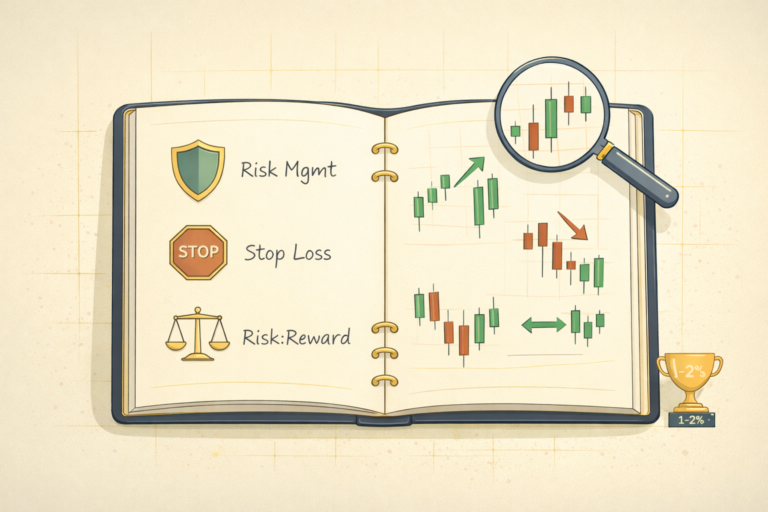
The fix that actually works: Sit down and decide: “What dollar amount can I lose on any single trade and still sleep like a baby?” That number is your max risk per trade. Usually 1–2% of your account. Write it down. Don’t break the rule. If you haven’t done this exercise, stop trading live until you do.
Putting it all together
You’re going to make mistakes. Every trader does. But the ones who make it — the ones who actually withdraw consistent profits — aren’t perfect. They just learn faster and refuse to repeat the same errors over and over.
My suggestion? Pick just two or three mistakes from this list that hit home for you. Focus on fixing those for the next month. Then come back and tackle the next ones.
Trading success doesn’t come from being the smartest person in the room. It comes from discipline, a calm mind, and the ability to follow a plan even when it’s boring. You’ve got everything you need to get there.
Now go do the work. The market will be waiting.
About the Author